



For more than four decades, the United States government, through the National Institutes of Health (NIH)—primarily its National Institute of Allergy and Infectious Diseases (NIAID)—has funded Ralph Baric’s coronavirus research, from its earliest published molecular biology through decades of increasingly sophisticated laboratory technologies, experimental systems, mutation studies, and patented inventions.
Public discussion of Baric’s coronavirus work often begins with the 2018 DEFUSE proposal or his collaborations during the years immediately preceding COVID-19.
The federal funding record tells a much longer story.
By the time DEFUSE was written, NIH had already spent more than three decades funding the successive development of Baric’s coronavirus research.
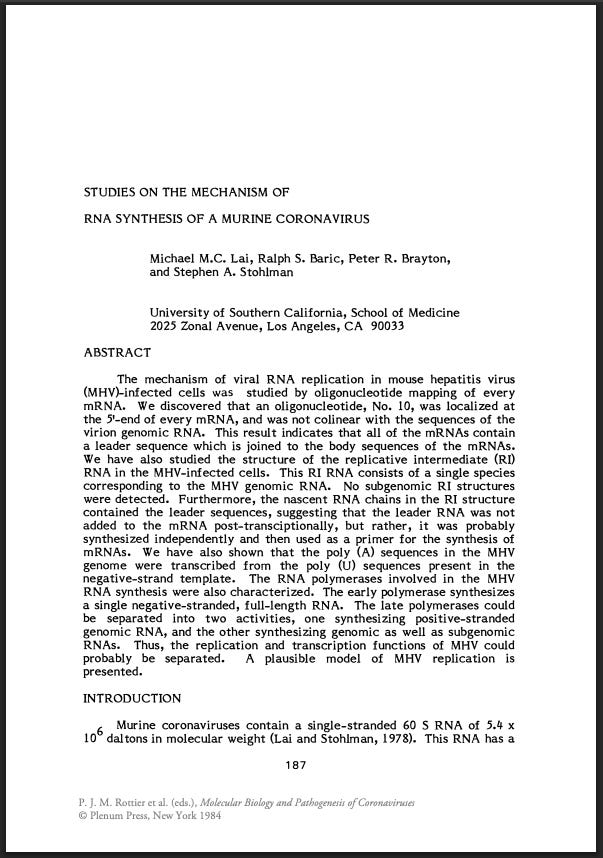
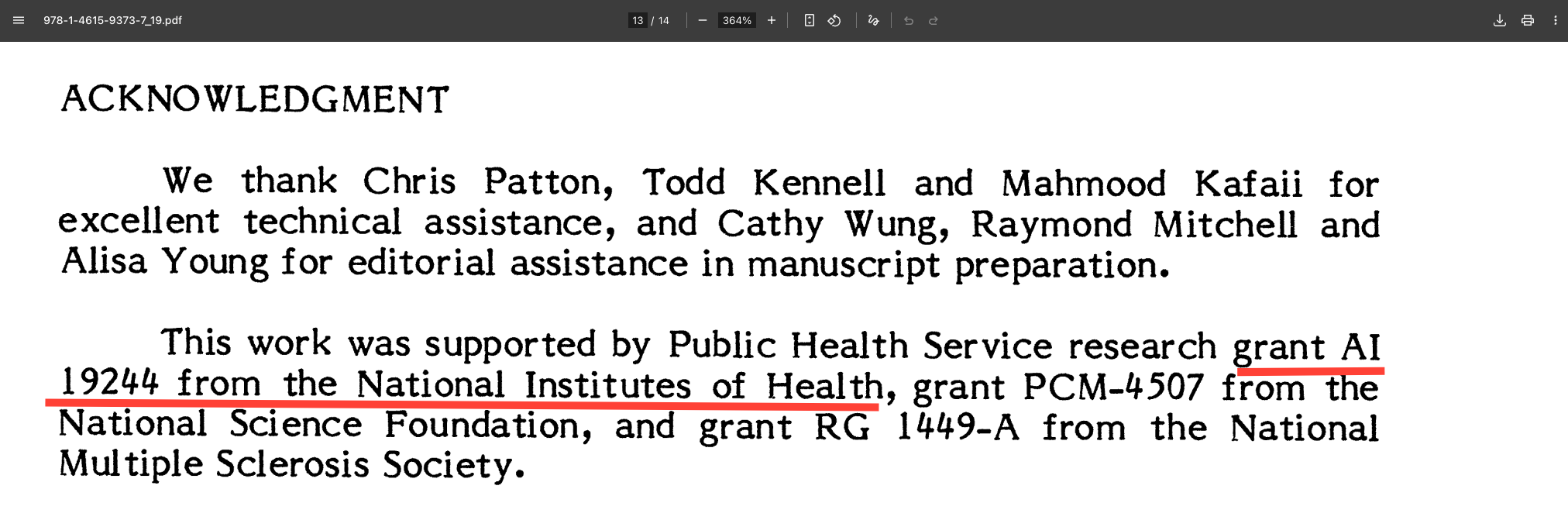
The earliest published evidence identified by this investigation appears in 1984, when Baric co-authored an NIH-funded chapter on the molecular mechanisms of coronavirus RNA synthesis that acknowledged support from NIH grant AI19244.
Over the decades that followed, successive NIH grants supported the development of coronavirus laboratory methods, reverse-genetics platforms, mutagenesis systems, infectious clones, engineered spike technologies, diagnostics, viral-entry models, mouse-adapted viruses, vaccine technologies, and federally supported patented inventions.
Rather than funding isolated experiments, NIH financed a continuous progression of coronavirus research in which each generation of work introduced new laboratory capabilities that expanded what researchers claim they can do with coronavirus genomes.
Baric’s NIH-funded publications repeatedly introduced new methods and technologies, while later patent applications acknowledged federal support for many of the resulting inventions.
Read chronologically, the grants, papers, and patents document more than a funding history.
They document the step-by-step development of an increasingly sophisticated coronavirus research toolkit.
By the time SARS-CoV-2 emerged in 2019, the public record shows that NIH had spent more than three decades funding the development of many of the experimental methods, laboratory technologies, and research platforms that were available for coronavirus research during the COVID-19 era.
1984: Grant AI19244
In 1984, Baric published NIH-funded coronavirus research while a postdoctoral fellow at the University of Southern California.
In Studies on the Mechanism of RNA Synthesis of a Murine Coronavirus, Baric and his colleagues sought to explain how coronaviruses purportedly replicate their genomes and produce their RNA, proposing new mechanistic models for coronavirus transcription and replication.
The chapter acknowledged support from NIH grant AI19244, documenting federal funding of Baric’s coronavirus research years before he established his own independent laboratory.
1986–2007: Grant AI023946

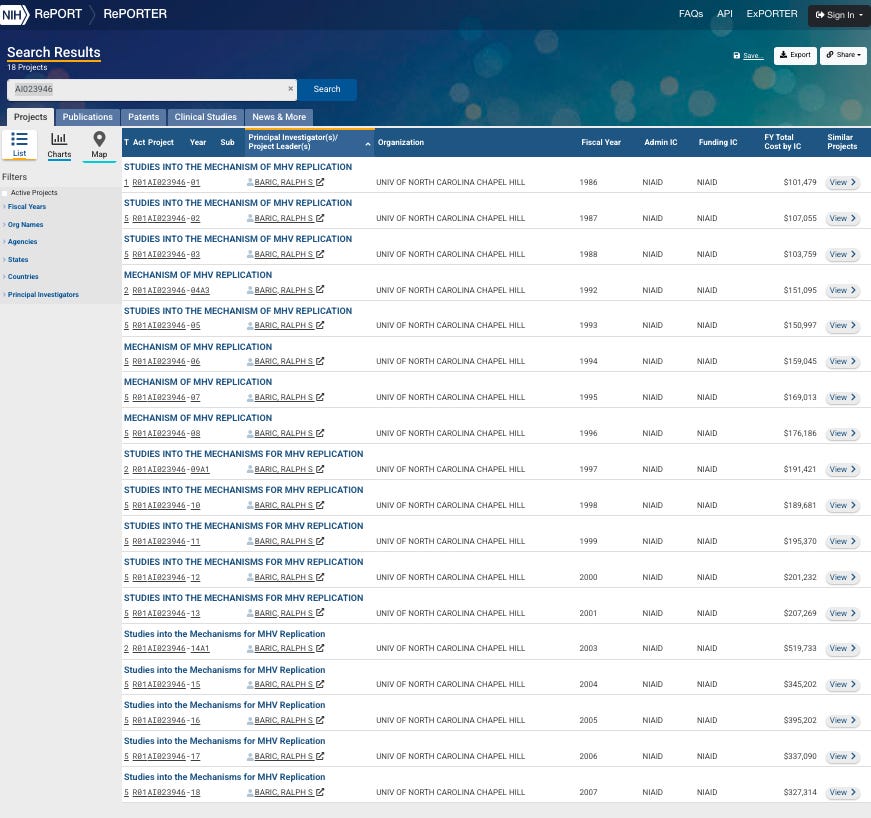
In 1986, the National Institute of Allergy and Infectious Diseases (NIAID) awarded Ralph Baric his first independent R01 grant, AI023946, titled “Studies into the Mechanism of MHV Replication.”
The grant funded research into how mouse hepatitis virus (MHV)—a coronavirus—replicates its genome and expresses its genes, seeking to understand the molecular mechanisms governing coronavirus replication.
NIAID renewed the grant continuously through at least 2007, making it the foundation of Baric’s long-running federally funded coronavirus research program.
2001–2004: Grant GM063228
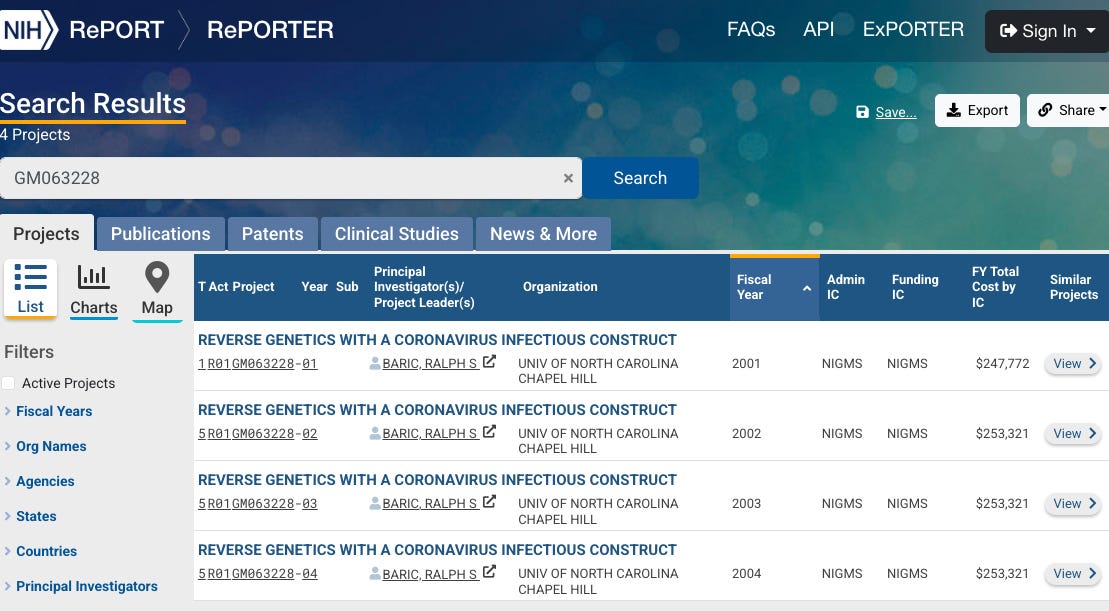
In 2001, the National Institute of General Medical Sciences (NIGMS), an institute within NIH, awarded R01 GM063228, “Reverse Genetics with a Coronavirus Infectious Construct,” to Ralph Baric at the University of North Carolina.
The grant remained active through 2004.
The project funded the development of reverse-genetics methods for coronaviruses using infectious cDNA constructs—a technology said to allow researchers to reconstruct complete coronavirus genomes from cloned DNA, introduce defined genetic changes, and recover recombinant viruses for experimental study.
The grant directly supported work that was later acknowledged in Baric’s Methods and Compositions for Infectious cDNA of SARS Coronavirus patent family.
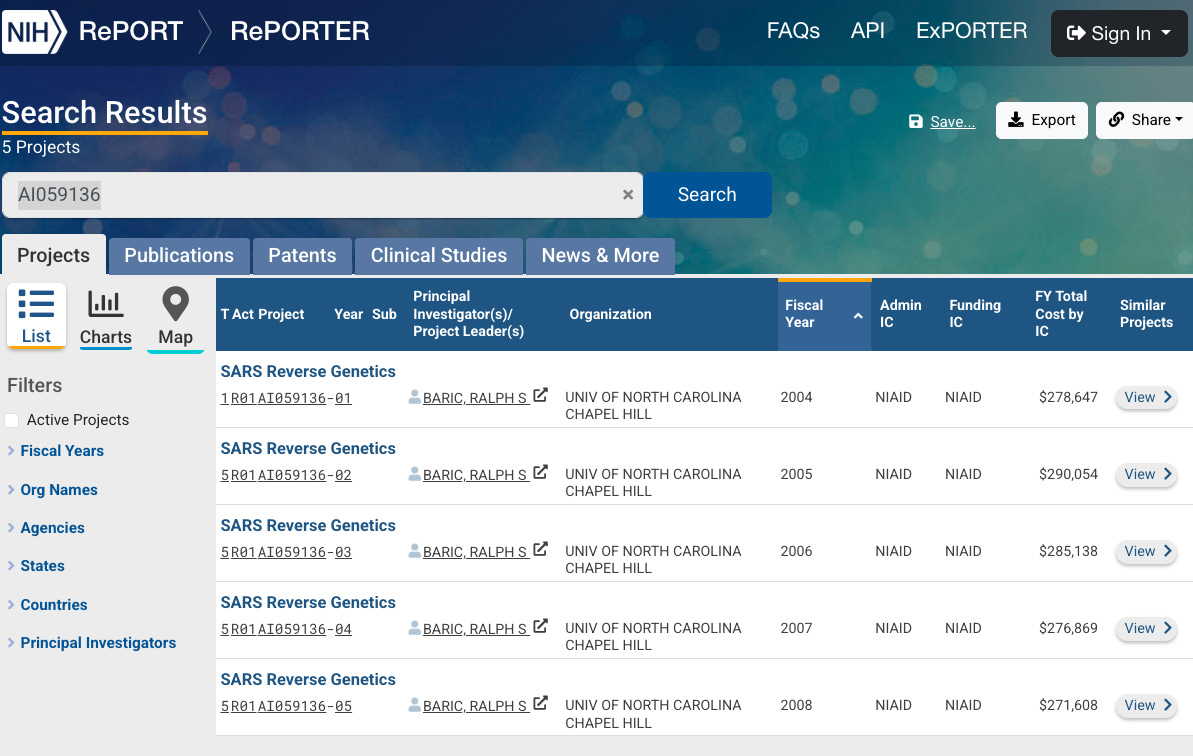
2004–2008: Grant AI059136
In 2004, following the SARS outbreak, NIAID awarded Ralph Baric R01 AI059136, titled “SARS Reverse Genetics.”
The grant funded the development and application of reverse-genetics systems for SARS coronavirus—technology that is said to enable researchers to reconstruct infectious viruses from cloned DNA, introduce targeted genetic changes, and study the effects of those changes experimentally.
NIAID renewed the grant annually through 2008, providing sustained federal support for Baric’s SARS reverse-genetics program.
2005–2009: Grant AI059443
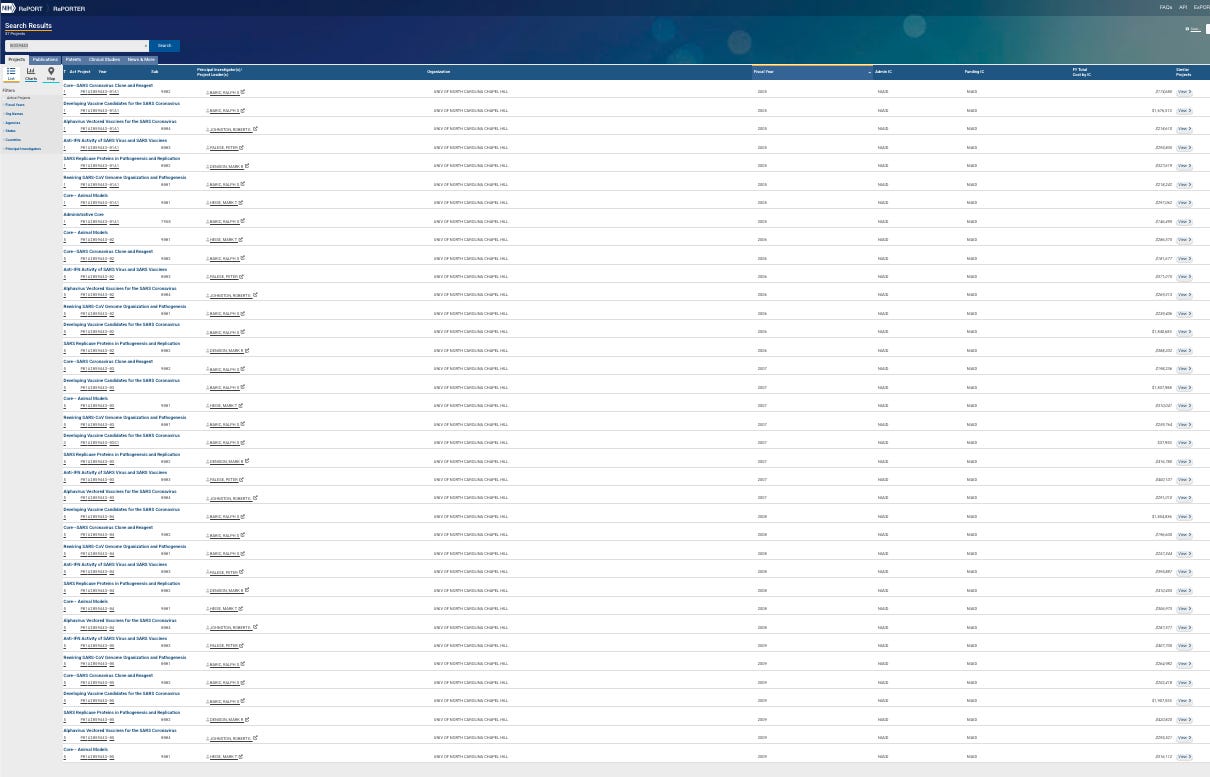
In 2005, NIAID funded a multi-project SARS coronavirus research program under P01 AI059443.
Led by Baric, the program supported the development of SARS vaccine candidates, infectious coronavirus clones and reagents, animal models, and studies of SARS genome organization, pathogenesis, and viral replication, while collaborating investigators pursued additional vaccine and pathogenesis projects.
The program remained funded through 2009, providing sustained federal support for multiple parallel lines of SARS coronavirus research under a single NIAID award.
2009–2012: Grant 5R01AI075297
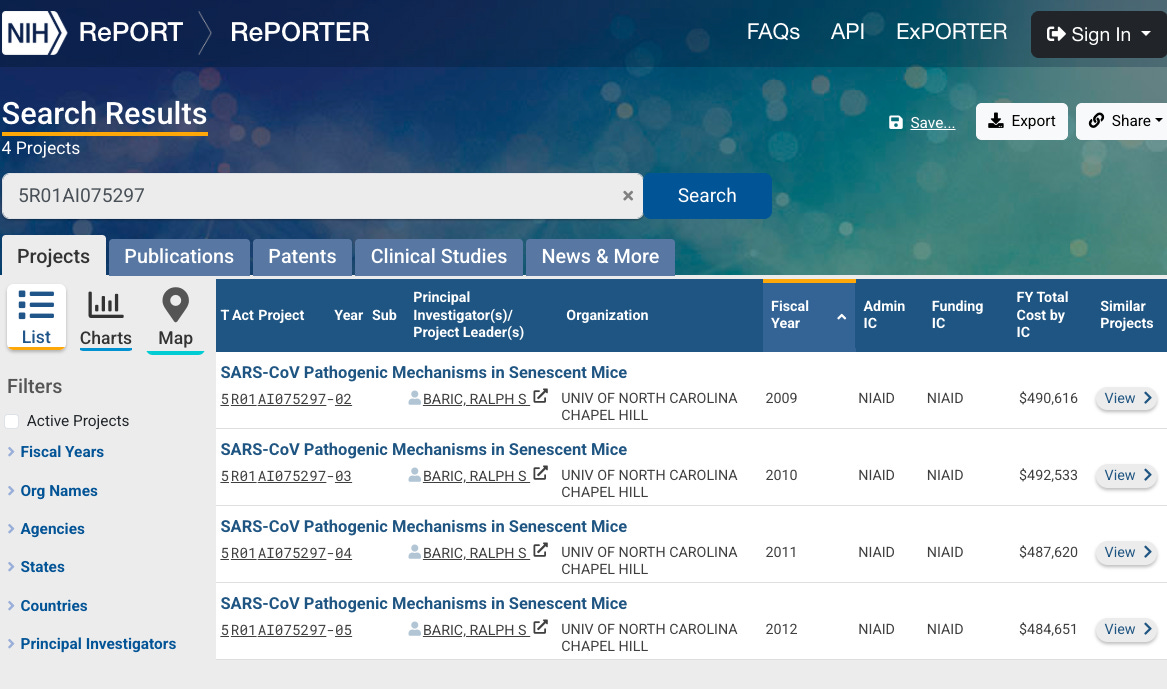
In 2009, NIAID funded R01 AI075297, “SARS-CoV Pathogenic Mechanisms in Senescent Mice,” awarding Ralph Baric support to investigate the mechanisms by which SARS coronavirus is said to cause disease in aged mouse models.
The project focused on SARS-CoV pathogenesis in senescent mice, an experimental system intended to better model severe disease associated with aging.
The grant remained continuously funded through 2012.
2012–2021: Grant U19AI100625
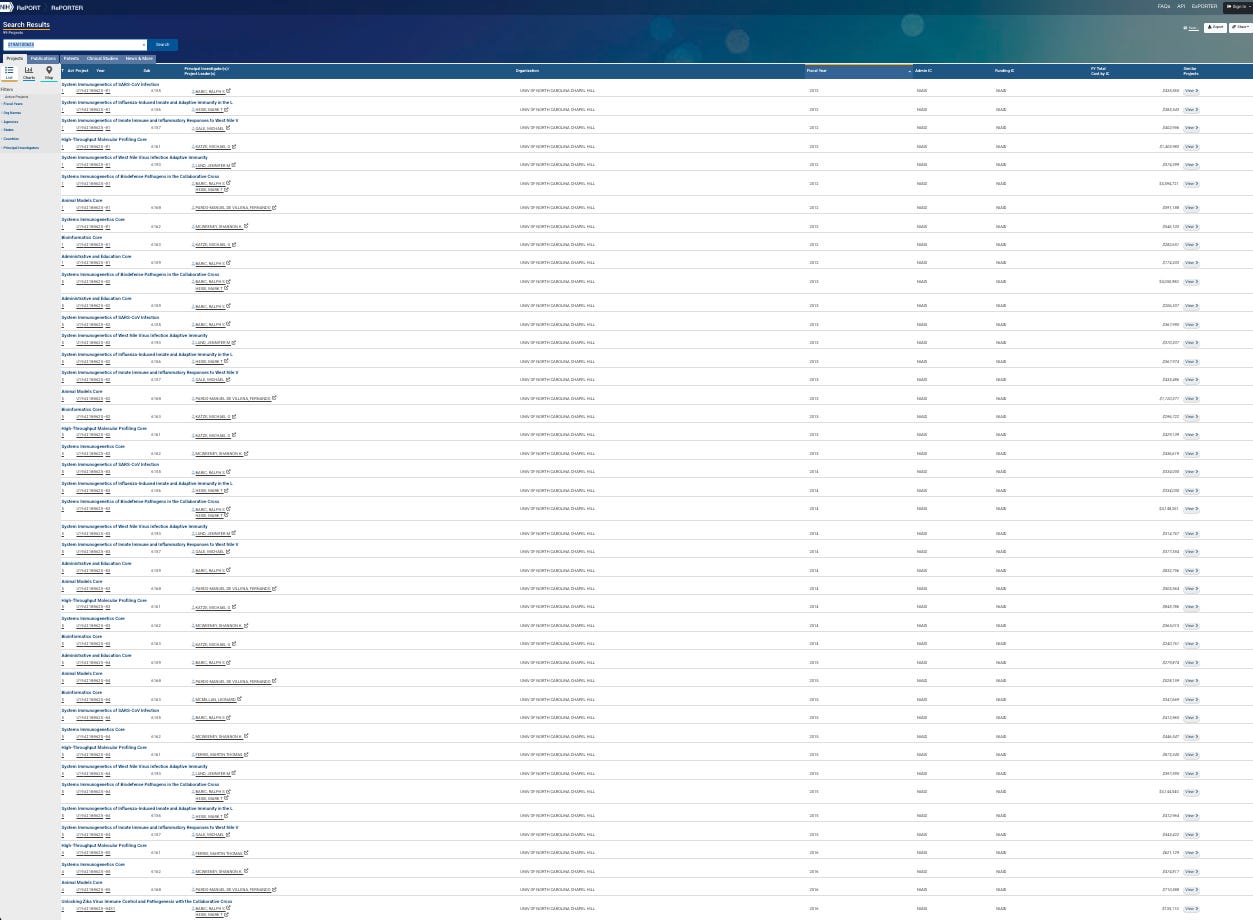
In 2012, NIAID awarded U19AI100625, a multi-project program studying the systems immunogenetics of SARS-CoV infection within the broader context of biodefense and emerging pathogens.
The program integrated coronavirus infection studies, high-throughput molecular profiling, bioinformatics, animal models, and mouse genetics to investigate host responses to viral infection.
The award continued through 2021.
Beginning in 2017, the coronavirus component expanded from “SARS-CoV Infection” to “Emerging Coronavirus Infections in the Collaborative Cross,” while the overall program continued to support coordinated studies of biodefense and emerging pathogens using systems immunogenetics, bioinformatics, and genetically diverse mouse models.
2013–2017: Grant U19AI107810
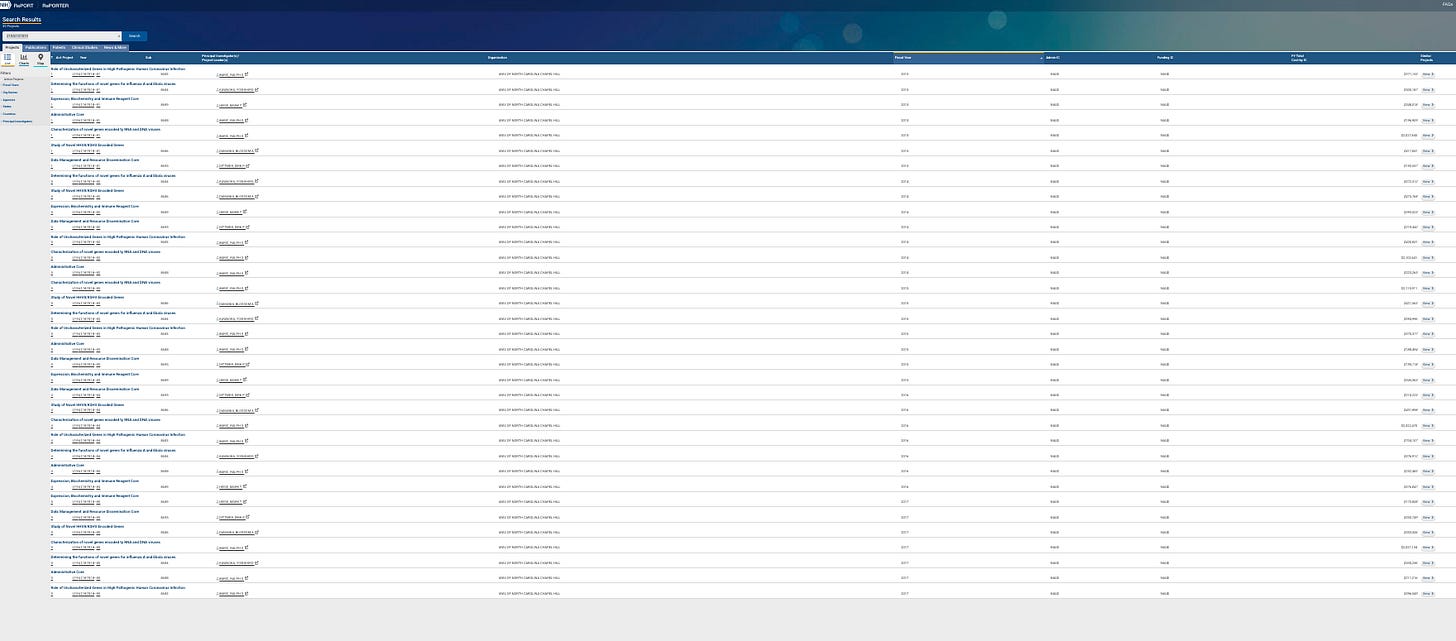
In 2013, NIAID awarded U19AI107810, a multi-project research program titled “Characterization of Novel Genes Encoded by RNA and DNA Viruses.”
Within the program, Baric led a dedicated project, “Role of Uncharacterized Genes in High Pathogenic Human Coronavirus Infection,” while also directing the overall program and its Administrative Core.
Other projects examined influenza, Ebola, and herpesviruses, supported by shared biochemistry, data management, and reagent cores.
Rather than developing new reverse-genetics technologies, this program used those capabilities to investigate the biological functions of previously uncharacterized viral genes, including genes involved in highly pathogenic human coronavirus infection.
The award remained active through 2017.
2013–2022: Grant AI108197
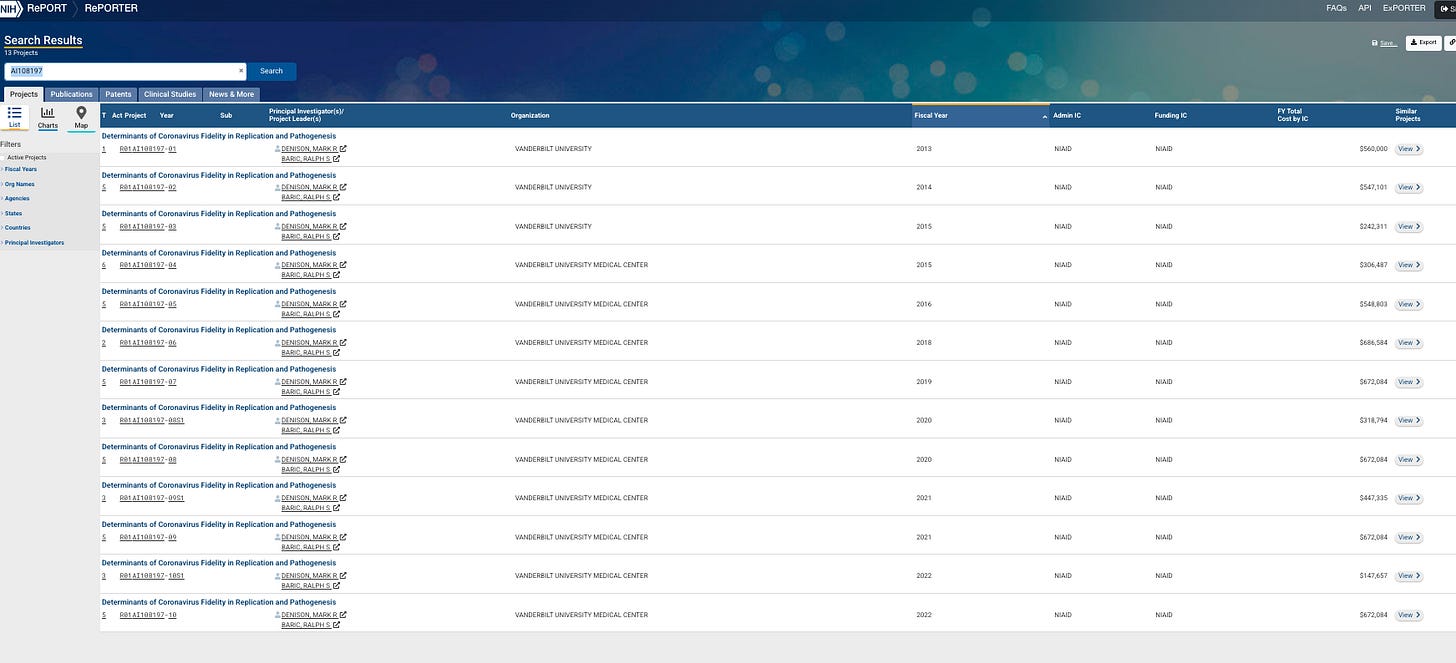
In 2013, NIAID funded R01 AI108197, “Determinants of Coronavirus Fidelity in Replication and Pathogenesis,” a collaboration between Vanderbilt University’s Mark Denison and Baric.
The project investigated the mechanisms that are said to determine how accurately coronaviruses replicate their genomes and how replication fidelity influences viral pathogenesis.
The grant remained continuously funded through 2022, supporting nearly a decade of research into the relationship between coronavirus genome replication, mutation, and disease.
2014–2018: Grant U19AI109761
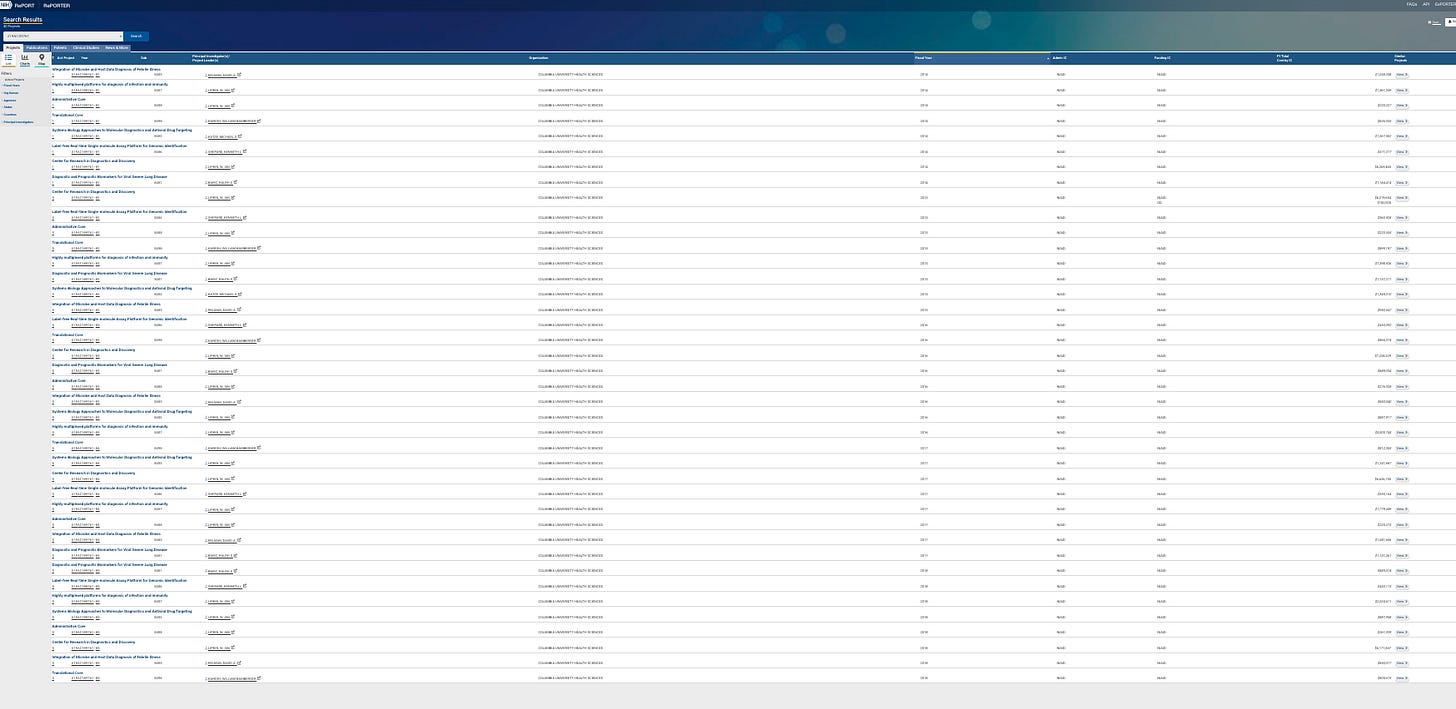
In 2014, NIAID funded Ralph Baric’s project “Diagnostic and Prognostic Biomarkers for Viral Severe Lung Disease” as part of the Center for Research in Diagnostics and Discovery (U19AI109761).
The multi-project program integrated studies of purported infectious disease diagnostics, molecular diagnostics, systems biology, genomic identification, and host–microbe interactions, while Baric’s project focused on identifying diagnostic and prognostic biomarkers associated with severe lung disease.
The award remained active through 2018, supporting Baric’s contribution to a broader NIAID initiative developing new approaches for diagnosing and characterizing severe viral infections.
2015–2024: Grant AI110700
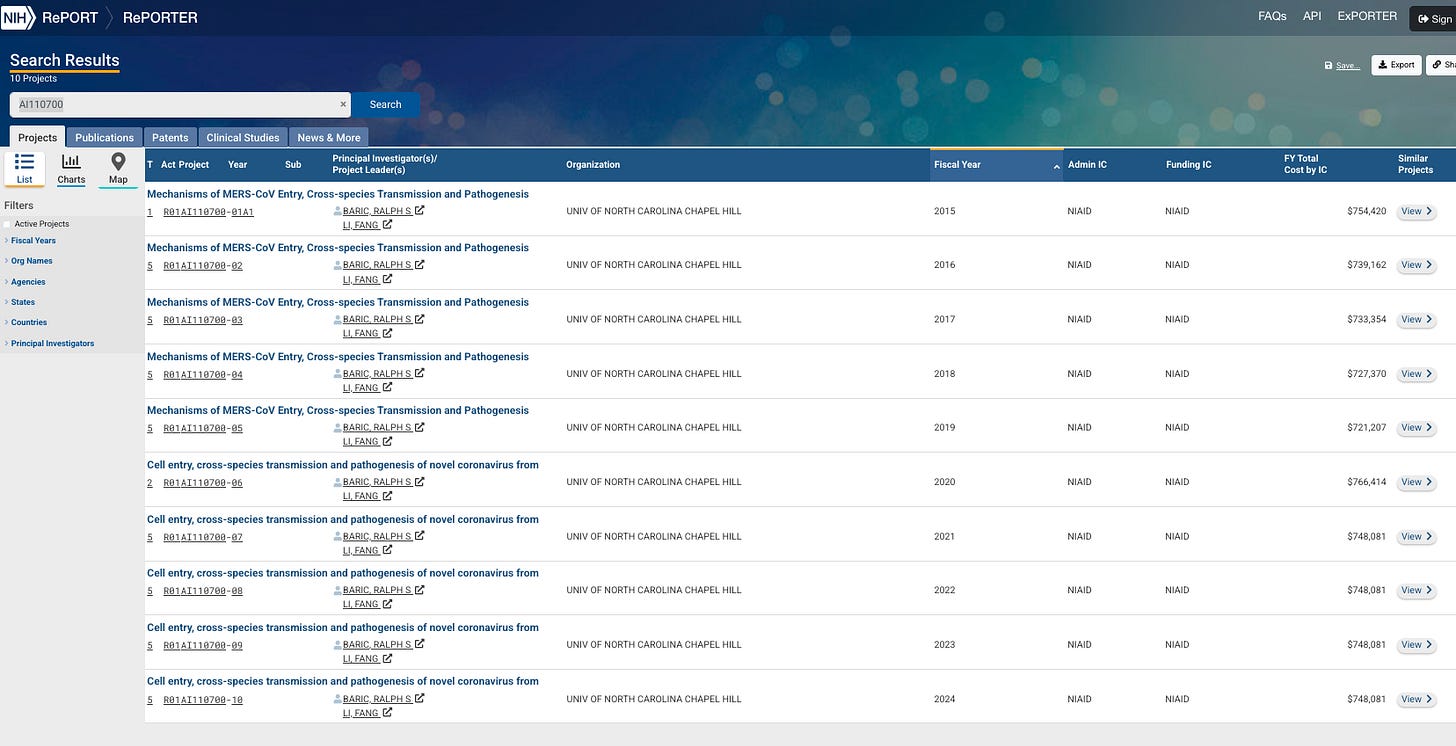
In 2015, NIAID awarded R01 AI110700, “Mechanisms of MERS-CoV Entry, Cross-species Transmission and Pathogenesis,” to Ralph Baric and Fang Li.
The project investigated how MERS coronavirus is said to enter host cells, cross between species, and cause disease.
The grant remained continuously funded through 2024.
Beginning in 2020, its title expanded from MERS-CoV to “Cell entry, cross-species transmission and pathogenesis of novel coronavirus…”, reflecting a broader focus on “emerging” coronaviruses while continuing to support research into coronavirus entry, host range, and pathogenesis.
2017–2021: Grant AI132178
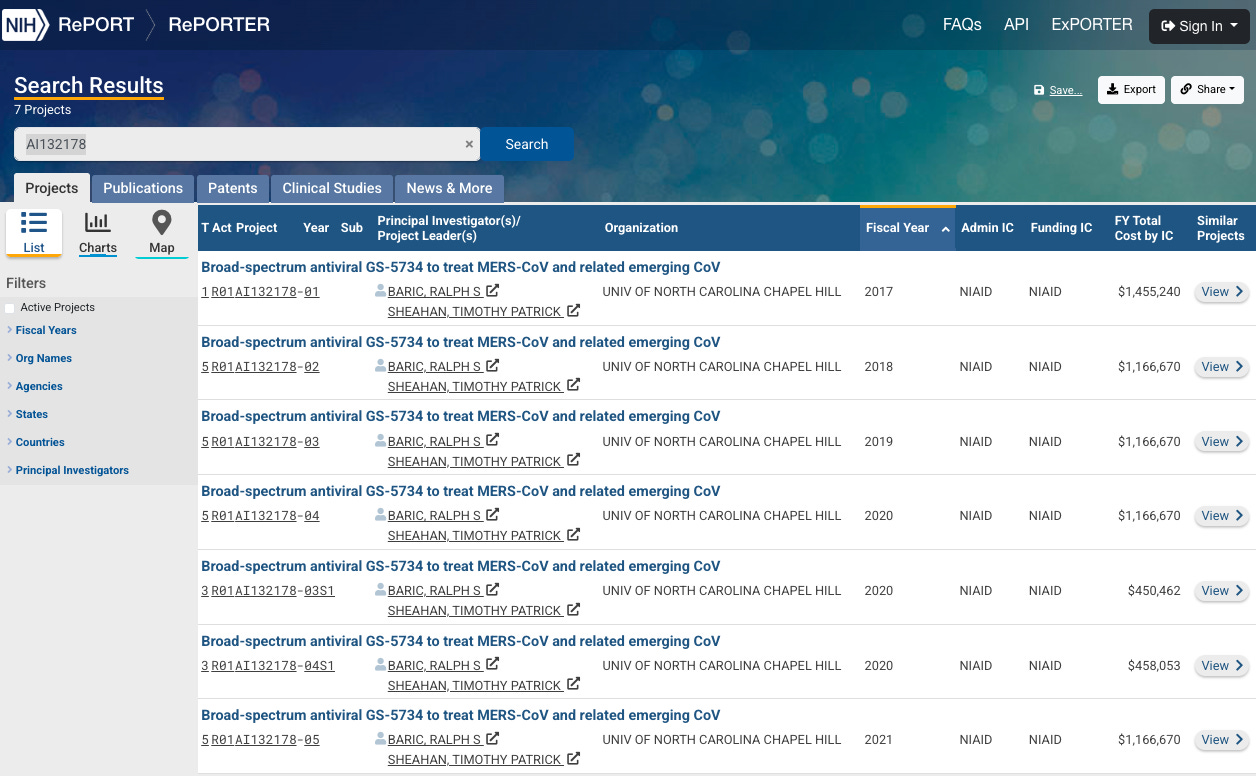
In 2017, NIAID awarded R01 AI132178, “Broad-spectrum antiviral GS-5734 to treat MERS-CoV and related emerging CoV,” to Ralph Baric and Timothy Sheahan.
The project funded research evaluating the antiviral compound GS-5734 (later known as remdesivir) against MERS coronavirus and related emerging coronaviruses, with the stated goal of developing a broad-spectrum antiviral therapy.
The grant remained active through 2021 and received two supplemental awards in 2020.
The grant was later acknowledged as federal support in Baric’s Mouse-Adapted SARS-CoV-2 Viruses and Methods of Use Thereof and SARS-CoV-2 Viruses and Methods of Use Thereof patent families.
2019–2023: Grant AI149644
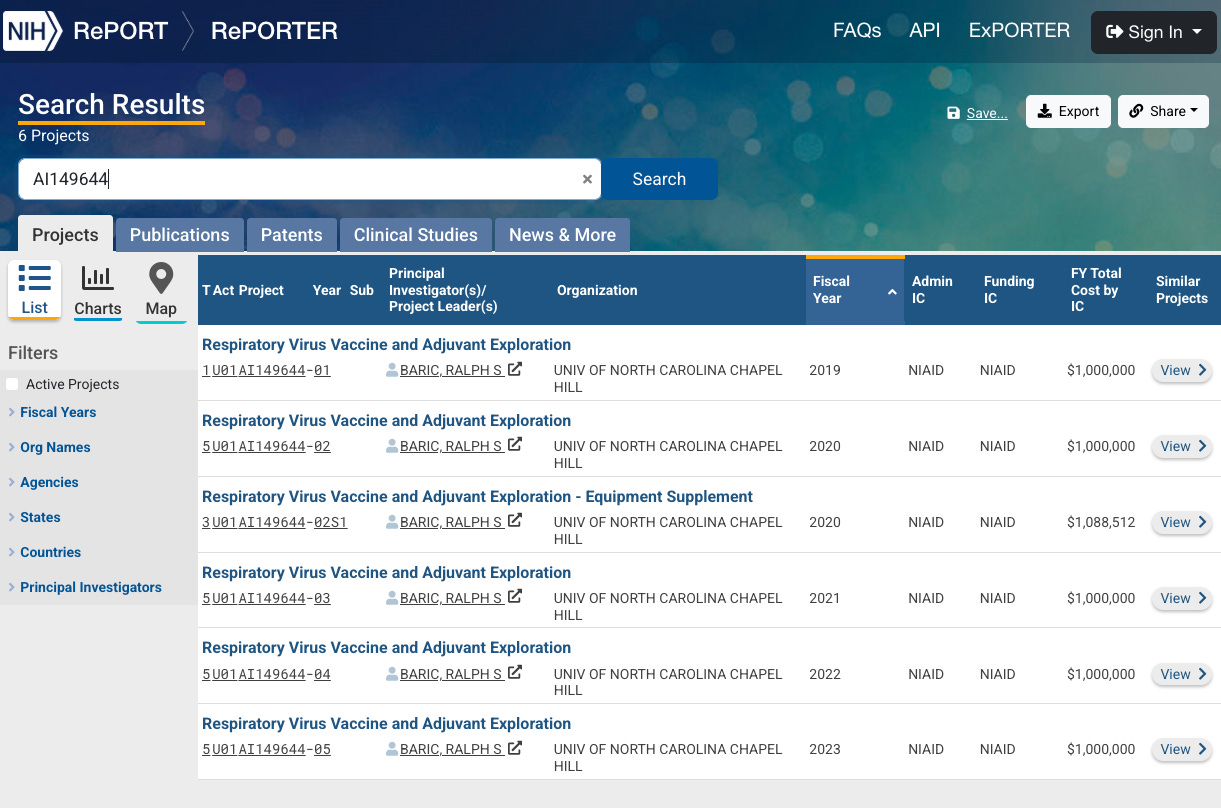
In 2019, NIAID awarded U01 AI149644, “Respiratory Virus Vaccine and Adjuvant Exploration,” to Baric.
The project funded research to develop and evaluate vaccine strategies and adjuvants for respiratory viruses, providing federal support for vaccine platform research applicable to emerging respiratory pathogens.
The award remained active through 2023 and received an equipment supplement in 2020, reflecting continued NIAID investment in Baric’s vaccine development program.
The grant was later acknowledged as federal support in the Mouse-Adapted SARS-CoV-2 Viruses and Methods of Use Thereof and SARS-CoV-2 Viruses and Methods of Use Thereof patent families.
2020–2024: Grant U54 CA260543
In 2020, the National Cancer Institute (NCI), an institute within NIH, awarded U54 CA260543, establishing the North Carolina Seronet Center for Excellence.
Co-led by Ralph Baric, the multi-project program supported research on SARS-CoV-2 immunity, including serological correlates of immunity and disease, antibody responses to SARS-CoV-2 and other pathogenic human coronaviruses, immunoglobulin proteomics, plasma therapy, and COVID-19-associated tissue damage, together with dedicated administrative and shared-resource cores.
The center remained funded through at least 2024.
The award was later acknowledged as federal support in Baric’s Human Monoclonal Antibodies Targeting the S2 Subunit of the SARS-CoV-2 Spike Protein patent application.
2021–2023: Grant AI158571
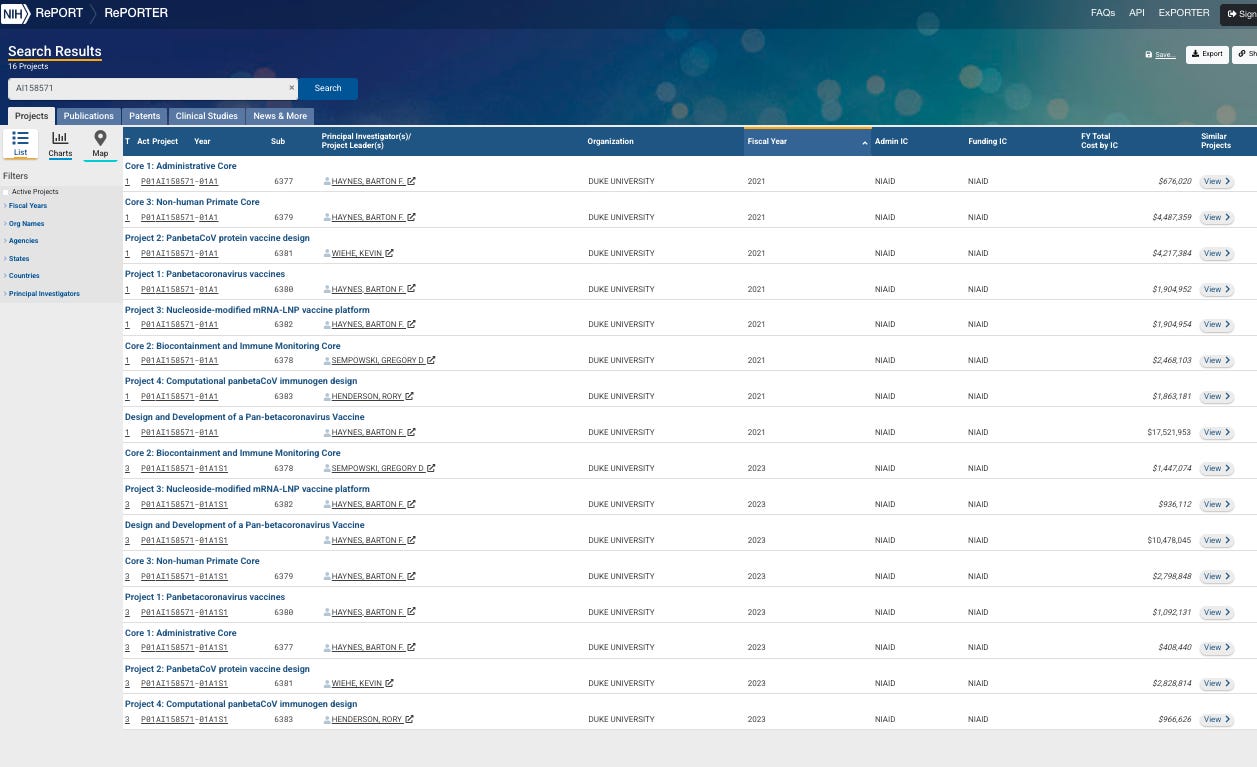
In 2021, NIAID funded the multi-project program “Design and Development of a Pan-betacoronavirus Vaccine” (P01AI158571).
The program supported coordinated research on pan-betacoronavirus vaccines, pan-betacoronavirus protein vaccine design, nucleoside-modified mRNA-LNP vaccine platforms, computational pan-betacoronavirus immunogen design, and dedicated biocontainment, immune monitoring, and non-human primate cores.
The award continued through at least 2023, supporting an integrated effort to develop vaccine platforms intended to provide protection across multiple betacoronaviruses rather than a single coronavirus strain.
2022: Grant AI171292
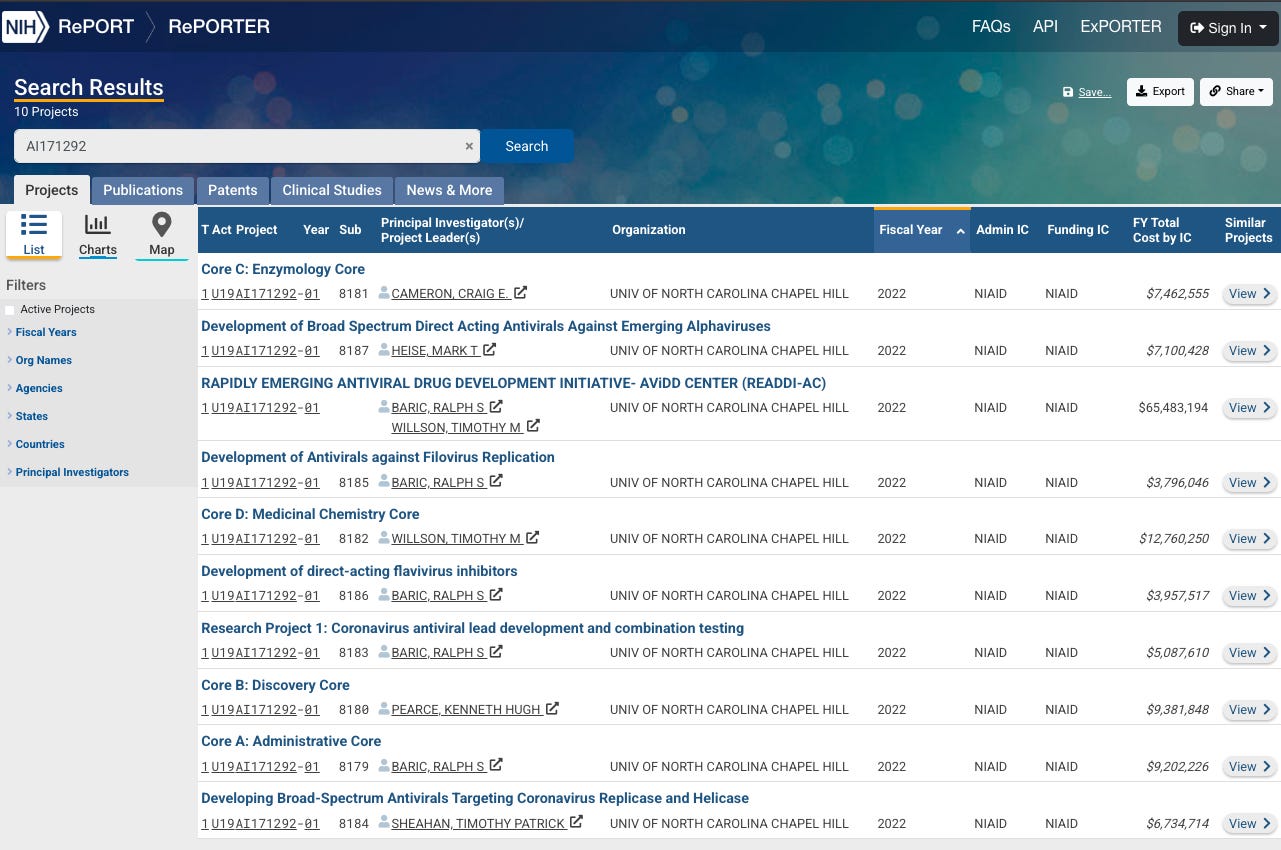
In 2022, NIAID awarded U19AI171292, the Rapidly Emerging Antiviral Drug Development Initiative – AViDD Center (READDI-AC), co-led by Ralph Baric and Timothy Willson.
The multi-project program supported the discovery and development of broad-spectrum antiviral drugs, including dedicated projects on coronavirus antiviral lead development and combination testing and broad-spectrum antivirals targeting coronavirus replicase and helicase, alongside medicinal chemistry, enzymology, and drug discovery cores.
The award represented another expansion of Baric’s long-running federally funded coronavirus research program, shifting from understanding coronavirus biology and developing experimental systems to identifying and advancing antiviral drug candidates against coronaviruses and other emerging viruses.
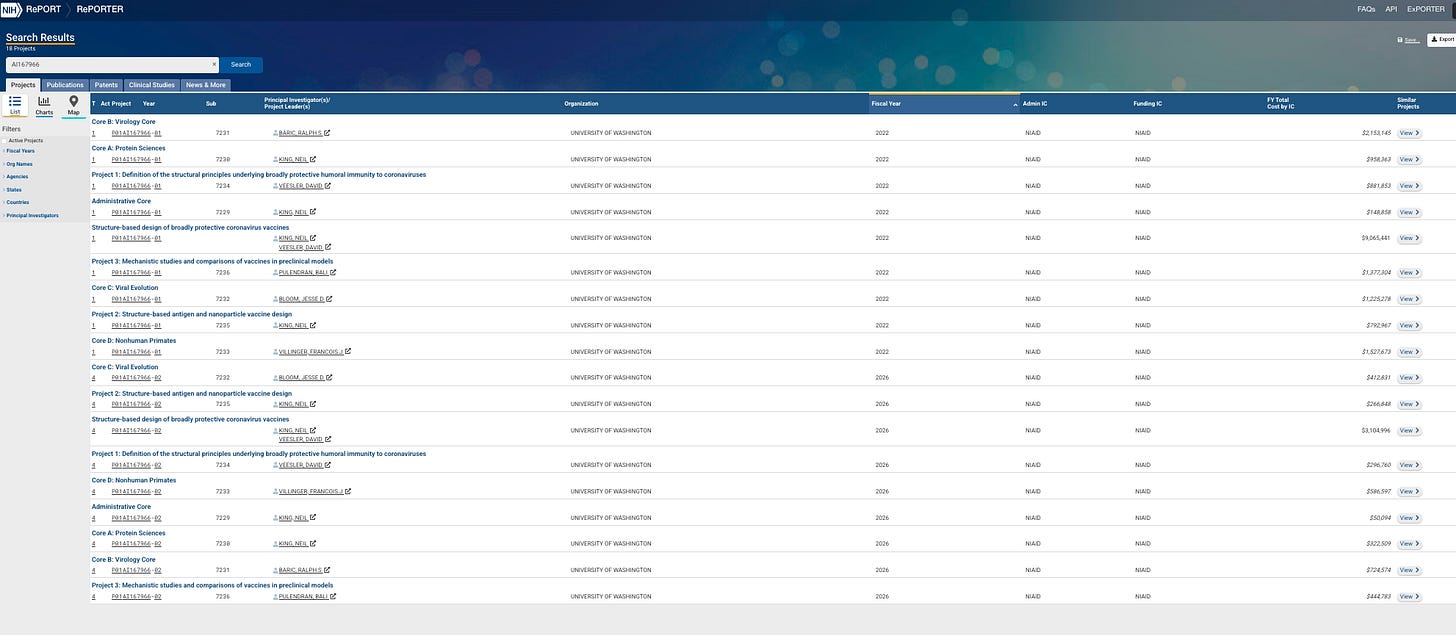
2022–2026: Grant AI167966
In 2022, NIAID funded the multi-project program “Structure-based Design of Broadly Protective Coronavirus Vaccines” (P01AI167966).
The program supported coordinated research on structure-based coronavirus vaccine design, nanoparticle vaccine design, broadly protective humoral immunity to coronaviruses, viral evolution, preclinical vaccine testing, and dedicated protein sciences, virology, and nonhuman primate cores.
Baric directed the program’s Virology Core.
The award continued through at least 2026, supporting an integrated effort to design vaccines intended to provide broad protection against multiple coronaviruses rather than a single coronavirus strain.
Coronavirus Patent Progression With Federal Grant Numbers
2006: Infectious SARS coronavirus cDNA / reverse genetics
US 2006/0240530 A1 — AI023946; GM063228
2016: Coronavirus diagnostics
US 2016/0238601 A1 — AI085524, AI057157, and U19AI107810
2017–2018: Chimeric coronavirus spike proteins
US 2017/0096455 A1; U.S. Patent 9,884,895 — U54AI057157
2021–2022: Mouse-adapted and reporter SARS-CoV-2 viruses
U.S. Patents 11,225,508 and 11,492,379 — AI132178; AI142759; AI100625; AI108197; AI089728; AI149644; HHSN2722017000361
2023: Coronavirus therapeutics
US 2023/0137667 A1 — AI106772
2025: SARS-CoV-2 monoclonal antibodies
US 2025/0145691 A1 — U54CA260543
Bottom Line
The public record does not show a series of isolated coronavirus grants.
It shows a continuous federal investment spanning more than four decades.
From Baric’s earliest NIH-funded coronavirus research in 1984, the funding record shows a clear evolution: from declaring how coronavirus genetic sequences are said to function, to developing technologies for manipulating and engineering coronavirus genomes, to conducting later mutagenesis and gain-of-function experiments, and ultimately to developing diagnostics, antiviral drugs, and vaccines.
The grants, publications, and patents document the long-term construction of the Ralph Baric coronavirus research enterprise financed by the U.S. government.
Your support is crucial in helping us defeat mass censorship. Please consider donating via Locals or check out our unique merch. Follow us on X @ModernityNews.
More news on our radar
“We have met the enemy, and they are us!”